Most people think of a home as a physical space—a place where you eat, sleep, and spend time with family. But what often goes unnoticed is how deeply your home affects your energy, your mindset, and your daily experience.
The truth is, the right home doesn’t just look good. It feels different.
It supports your routines. It reduces stress. It creates a sense of ease that carries into everything else you do. And when that alignment is right, your entire day begins to shift.
Your Environment Shapes Your Mindset
From the moment you wake up, your surroundings start influencing you.
A cluttered, cramped, or poorly designed space can make even simple tasks feel overwhelming. On the other hand, a well-organized, thoughtfully designed home creates a sense of calm and clarity.
It’s not about perfection—it’s about how the space interacts with your daily life.
Another factor to consider is the location and the community in which your home is situated, as these elements significantly influence your overall lifestyle. Living in an environment with noisy or disruptive neighbors can make it difficult to achieve a sense of peace and comfort, whereas being part of a well-maintained and respectful community can greatly enhance your quality of life.
When your home feels open, functional, and aligned with your needs, your mind follows. You feel more focused, more relaxed, and more in control of your day.
Flow Creates Ease
One of the most important—and often overlooked—elements of a home is flow.
How easily can you move from one space to another?
Do your rooms feel connected or disconnected?
Does your layout support your routine?
When a home flows well, everything feels easier. Mornings become smoother. Evenings feel more relaxed. Daily tasks take less effort.
Poor layout, on the other hand, creates friction. You may not always notice it consciously, but it adds up over time.
The right home eliminates that friction, and achieving this requires a clear understanding of the design process, allowing you to thoughtfully incorporate your own preferences and perspectives.
Space Impacts Stress Levels
Space isn’t just about square footage—it’s about how that space is used.
When rooms feel overcrowded or poorly designed, it can create a constant sense of tension. There’s less room to think, less room to move, and less room to relax.
In contrast, a home that offers breathing room—whether through open layouts, smart storage, or intentional design—naturally lowers stress.
You don’t have to fight your environment. You can simply exist in it.
And that changes everything.
Light and Air Make a Difference
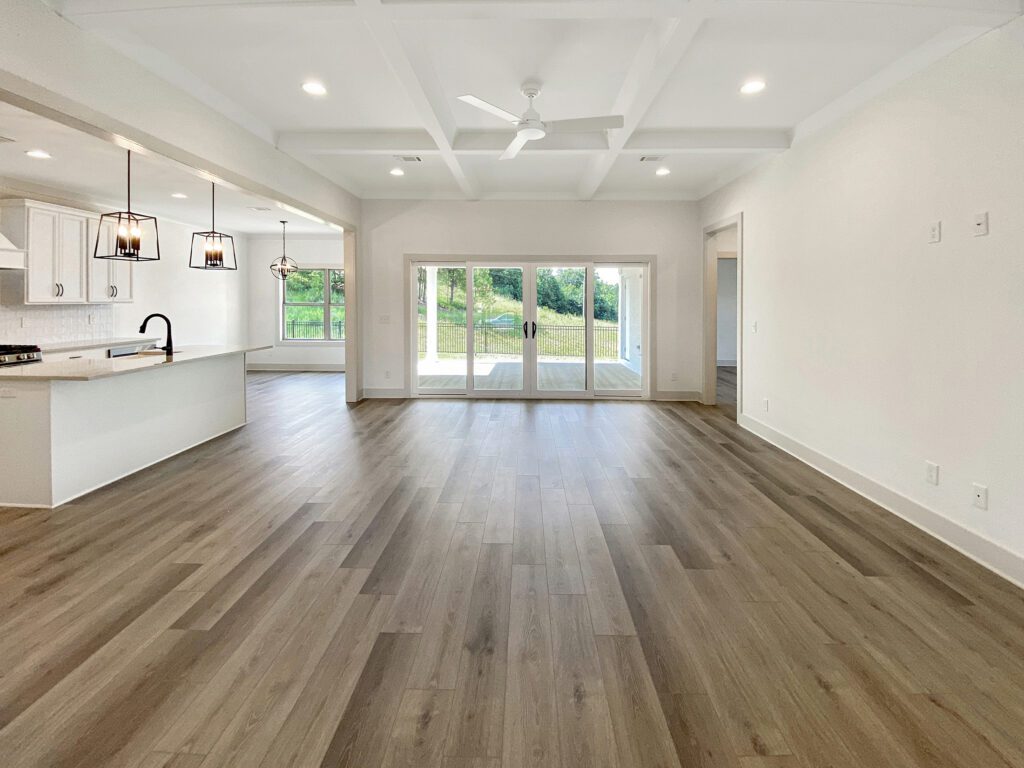
Natural light has a powerful effect on mood and energy.
Homes that constructed to allow light to flow through the space tend to feel more alive, more welcoming, and more comfortable. It’s easier to feel energized during the day and relaxed in the evening.
Airflow matters too. A home that feels fresh and breathable creates a sense of comfort that’s hard to replicate.
These details may seem subtle, but they shape how you feel in your space every single day.
Functionality Supports Your Routine
Think about your daily habits.
Where do you spend the most time?
What parts of your home do you use the most?
What feels easy—and what feels frustrating?
A home that supports your routine makes life simpler.
- A kitchen that allows you to cook without feeling crowded
- A living space that invites you to relax
- A bedroom that feels restful and quiet
- Storage that keeps everything in its place
When these elements are aligned, your day flows more naturally.
Instead of adjusting to your home, your home adjusts to you.
Emotional Connection Builds Over Time
Beyond design and functionality, there’s something deeper that makes a home feel right.
It’s the emotional connection.
This develops over time through everyday moments:
- Morning routines
- Conversations in shared spaces
- Quiet evenings
- Time spent with family and friends
A home that feels good physically makes it easier to create these moments. And those moments are what turn a space into something meaningful.
The Right Home Reduces Decision Fatigue
Something many people don’t realize is how much mental energy is spent dealing with small inconveniences at home.
Where do I put this?
Why is this space not working?
Why does this feel so crowded?
These small frustrations add up.
In a well-designed home, many of these decisions disappear. Everything has its place. Spaces serve their purpose. Movement feels natural.
This reduces mental clutter—and gives you more energy to focus on what actually matters.
It’s About Alignment, Not Just Design
The right home isn’t defined by trends or appearances.
It’s defined by alignment.
Does the space match your lifestyle?
Does it support your habits?
Does it make your day easier—or harder?
When your home aligns with how you live, everything starts to feel more natural. There’s less resistance, less stress, and more ease.
Getting It Right From the Beginning
One of the biggest advantages of choosing or building a home intentionally is the ability to create this alignment from the start.
Instead of adapting to a space that doesn’t quite fit, you can think ahead:
- How do I want my home to feel?
- What does my daily routine look like?
- What would make my life easier?
When these questions guide your decisions, the result is a home that supports your energy—not drains it.
Final Thoughts
Your home is more than a structure—it’s the environment you live in every day.
It affects your mood.
Your productivity.
Your stress levels.
Your overall quality of life.
The right home doesn’t just provide shelter—it creates a foundation for how you experience your day.
And when that foundation is built with intention, everything else starts to feel just a little bit easier.