There’s a difference between a house and a home and most people can feel it instantly.
You can walk into a beautifully designed space with high-end finishes, perfect lighting, and carefully chosen furniture… and still feel like something is missing. On the other hand, some homes feel warm, comfortable, and inviting from the moment you step inside.
So what actually makes a house feel like home?
It’s not just about décor. It’s about how a space supports your life, your routines, and your sense of ease. And the good news is this feeling isn’t accidental. It can be created intentionally, starting from day one.
It Starts with How the Space Flows
One of the first things people notice—without even realizing it—is how a home flows.
Does moving from room to room feel natural?
Are spaces connected in a way that makes sense for your daily life?
A home that feels good to live in isn’t just about square footage. It’s about layout.
When the kitchen connects naturally to the living area, when there’s enough space to move comfortably, when transitions between rooms feel intuitive everything becomes easier. Daily routines feel smoother, and the home begins to work with you instead of against you.
Comfort Comes from Function, Not Just Style
It’s easy to assume that comfort comes from how a home looks. But in reality, it comes from how it functions.
A beautiful space that doesn’t support your lifestyle quickly becomes frustrating. Maybe there’s not enough storage. Maybe the layout doesn’t fit your routine. Maybe certain areas feel underused.
A home begins to feel right when it reflects how you actually live:
- A kitchen that allows for easy cooking and gathering
- Living spaces that invite relaxation
- Bedrooms that feel restful and private
- Storage that keeps everything organized without effort
Function creates comfort. And comfort is what turns a house into a home.
Personalization Makes It Yours
A home doesn’t feel like yours until it reflects you.
This doesn’t mean it has to be overly decorated or filled with trends. In fact, the most meaningful spaces are often the simplest ones—designed with intention.
Personalization shows up in:
- The layout choices you prioritize
- The materials and finishes you prefer
- The way each space is used
- The details that make your daily life easier
When a home aligns with your preferences and habits, it naturally feels more connected to you.
Light, Space, and Air Matter More Than You Think
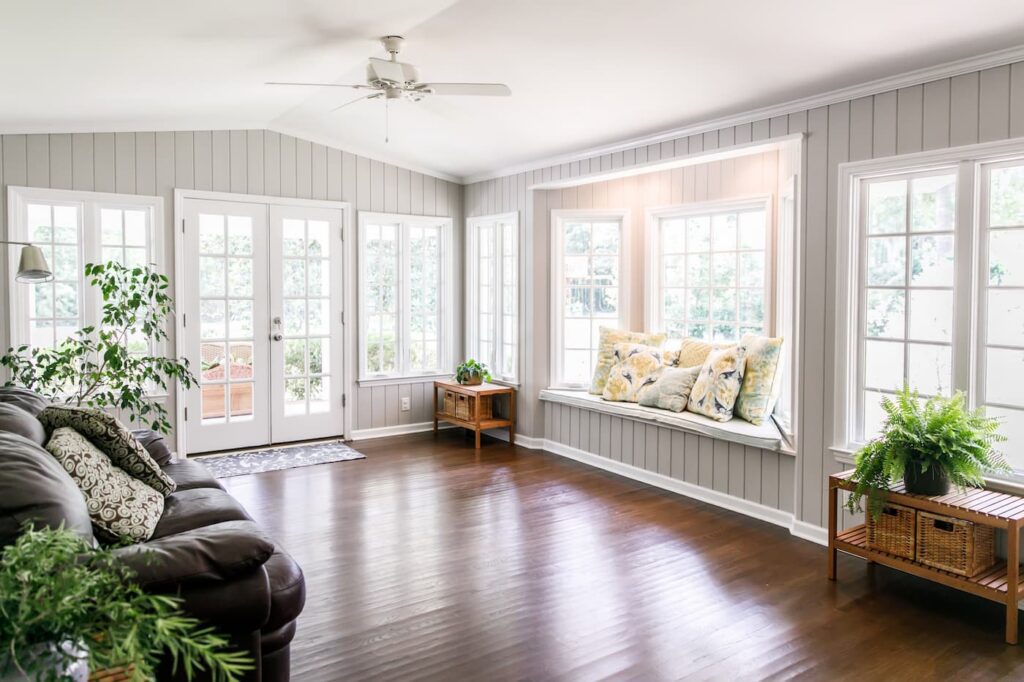
There are subtle elements that have a powerful effect on how a home feels.
Natural light, for example, can completely transform a space. Rooms that feel open and bright tend to feel more welcoming and energizing.
The same goes for space not just how much you have, but how it’s used. Open areas, uncluttered layouts, and thoughtful design create a sense of calm.
Even airflow plays a role. A home that feels fresh and breathable is far more comfortable than one that feels closed off.
These details may seem small, but they shape your daily experience in a significant way.
A Sense of Ease Is Everything
The homes that feel the best to live in share one common trait: they feel easy.
Easy to maintain.
Easy to move through.
Easy to enjoy.
When things are where they should be, when spaces serve their purpose, when the home supports your routine instead of complicating it—that’s when you start to feel at home.
Clutter, inefficiency, and poor layout disrupt that ease. Good design restores it.
Emotional Connection Is Built Over Time
While design and functionality are essential, there’s another layer that develops naturally: emotional connection.
A home becomes meaningful through:
- Daily routines
- Quiet moments
- Time spent with family and friends
- The memories created within it
This is the part that can’t be designed overnight—but it can be supported by creating the right environment from the beginning.
When a home is comfortable, functional, and aligned with your life, those moments happen more naturally.
Getting It Right from Day One
One of the biggest advantages of starting fresh—whether moving or building—is the opportunity to get it right from the beginning.
Instead of adapting to a space that wasn’t designed for you, you can think intentionally about what matters most:
- How you want your home to feel
- What your daily routines look like
- What features will make your life easier
- What kind of environment you want to create
When these d ecisions are made early, the result is a home that feels right from the moment you move in.
It’s Not About Perfection—It’s About Alignment
A home doesn’t need to be perfect to feel complete.
It doesn’t need to follow trends or meet anyone else’s expectations.
What matters is alignment.
When your home aligns with your lifestyle, your preferences, and your sense of comfort, it becomes more than just a place to live. It becomes a space that supports you—physically, mentally, and emotionally.
Final Thoughts
What makes a house feel like home isn’t a single feature—it’s the combination of thoughtful design, functionality, and personal connection.
It’s the way the space flows.
The way it supports your routines.
The way it makes everyday life feel easier.
And when those elements come together, something shifts.
You’re no longer just living in a house.
You’re at home.